
Be Financially Smart: Maging Handa sa Mas Matinding El Niño Ngayong Taon

El Niño is already underway. PAGASA says a strong El Niño is active in the tropical Pacific and is expected to intensify into a very strong El Niño between September and December 2026. It may persist through the first half of 2027. The term “super El Niño” may appear in headlines, but “very strong” is the description PAGASA uses in its latest advisory.
For households, the financial concern is straightforward: a prolonged dry period can put pressure on food supply, water availability, electricity costs, and income.
Preparing now gives families more room to adjust if those costs rise.
When and where could the effects be felt?
There is no single date when El Niño will “hit” the Philippines. The climate pattern is already present, while its strength and local effects can change over the coming months. PAGASA expects warmer temperatures and below-normal rainfall across much of the country, with dry spells and drought possible in vulnerable areas.
Its advisory does not say every province will experience the same conditions at the same time. Rainfall forecasts and local water conditions should guide preparations in each area.
A dry outlook also does not rule out heavy rain. PAGASA warns that the southwest monsoon and tropical cyclones can still bring intense rainfall, particularly in western sections of the Philippines. Households should therefore keep their usual flood and storm preparations alongside plans for heat and water shortages.
What could happen to prices and the economy?
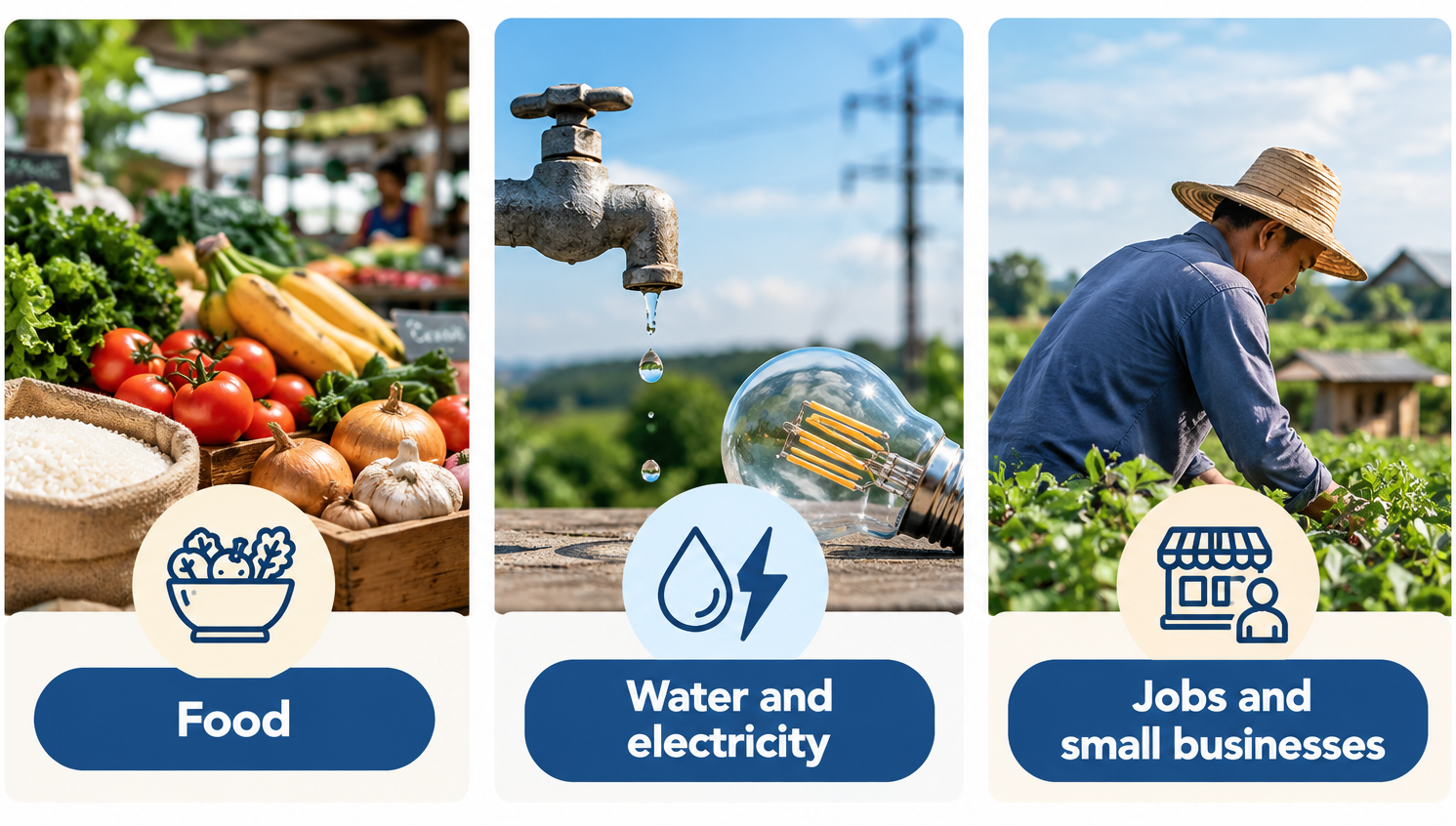
The first financial effects may show up in the goods and services people buy most often:
Food: Less rain can reduce farm output or raise production costs. If harvests and supply are affected, prices of some crops and food products could rise.
Water and electricity: Water shortages may create added costs for households and businesses. Pressure on water resources and energy production could also affect operating costs.
Jobs and small businesses: Farmers and businesses that depend on water, agriculture, or steady food supply may face lower income or higher expenses.
These are possible effects, not a prediction that every price will increase because of El Niño. Weather, imports, fuel, transport, and other factors also influence market prices. PAGASA identifies agriculture, water, energy, public health, and the broader economy as areas at risk from prolonged rainfall deficits.
Families are entering this period with prices already elevated. The Philippine Statistics Authority reported 6.1% overall inflation in August 2026. Food inflation was 4.6%, while the rice price index was 19.4% higher than a year earlier. The August figures describe prices before the full effects of the forecast very strong El Niño can be known; they should not be attributed to El Niño alone.
Five financial steps to take now
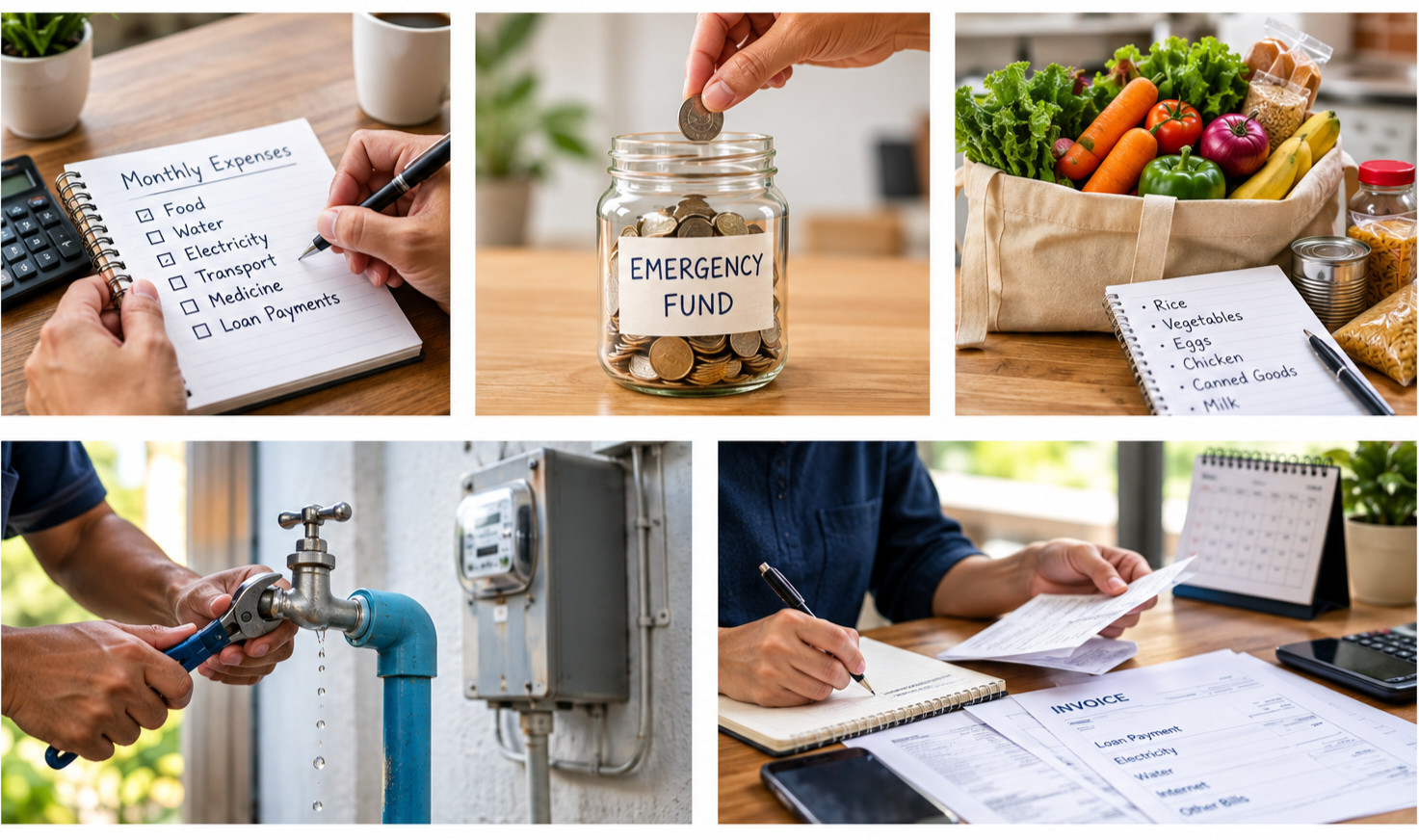
1. Review your essential monthly expenses.
Write down what your household spends on food, water, electricity, transport, medicine, and loan payments. Knowing your starting point makes it easier to spot a sustained increase and adjust early.
2. Build a small emergency buffer.
Set aside an amount you can manage each payday, even if you cannot yet cover a full month of expenses. Keep it accessible for urgent needs such as water, medicine, transport, or a temporary loss of income.
3. Plan meals around a flexible budget.
Compare prices, choose practical substitutes when an item becomes expensive, and buy shelf-stable essentials in reasonable quantities. Avoid panic buying or tying up money in supplies your household may not use.
4. Check your water and electricity use.
Repair leaks, monitor your bills, and identify simple ways to reduce waste. If your income depends on farming or another water-sensitive activity, follow local advisories and plan for possible changes in operating costs.
5. Protect your payment schedule.
List upcoming loan installments and other fixed obligations before taking on new expenses. If income is disrupted, contact your lender or service provider early to ask about available payment arrangements. Understand the total cost and terms before using credit to cover a temporary shortfall.
Prepare, then keep checking
The sensible response is to make your household budget more resilient—not to assume the worst. Start with an expense review and a manageable cash buffer, then revisit your plan as conditions develop. PAGASA says it will continue issuing updates, and local forecasts will give a clearer picture of the risks in your area.
This article provides general financial information. El Niño forecasts and market prices can change; keep informed and updated.
Comments